

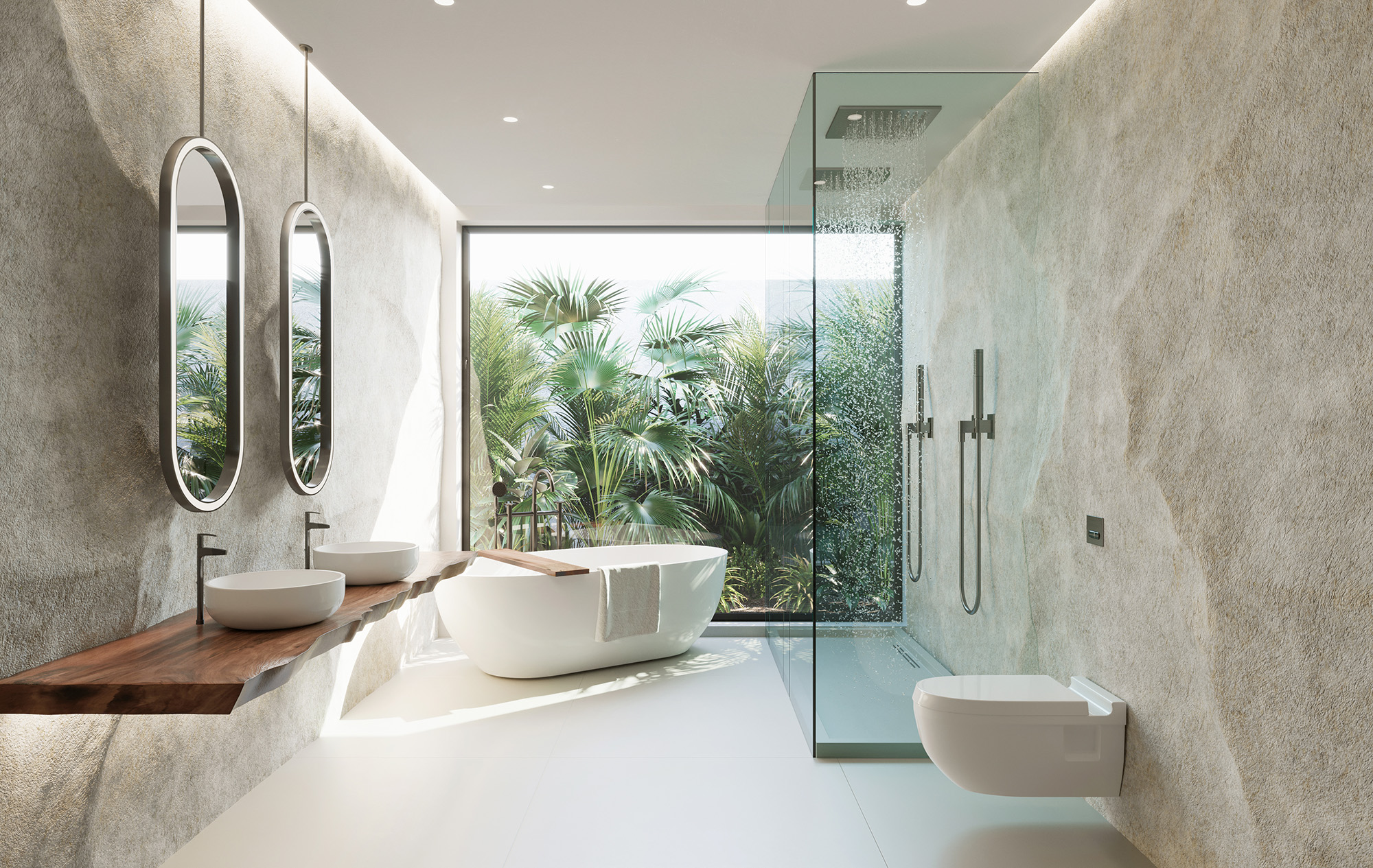
Bathrooms, mudrooms, laundry rooms, and entryways all have one thing in common: water has a way of finding its way onto the floor. That makes choosing attractive tile only part of the job. The surface also needs to be appropriate for the conditions where it will be used. The right tile flooring can provide durability, easy maintenance, and plenty of design flexibility while helping you create a more practical wet-area floor.
Start With the Tile's Wet-Use Rating
When shopping for slip resistant tile, you may encounter a measurement called DCOF, or dynamic coefficient of friction. Under ANSI A326.3, hard-surface flooring products can be classified for different applications. For level interior areas expected to be walked on when wet, the Interior, Wet category calls for a wet DCOF of at least 0.42 or an appropriate manufacturer declaration.
That number is useful, but it should not be treated as a guarantee that someone cannot slip. The Tile Council of North America points out that footwear, contaminants, maintenance, drainage, surface structure, and other conditions can all affect slip risk. In other words, choosing the right rating is one part of a larger flooring decision.
Matte and Textured Surfaces Can Be Practical Choices
For wet areas, the surface finish deserves close attention. Highly polished tile can create a beautiful look, but it may not be the first choice for a floor that regularly encounters water. Matte and textured surfaces can provide a more practical direction, depending on the product's tested performance and intended application.
Porcelain and ceramic tile offer an enormous range of colors, shapes, patterns, and textures. That means you can focus on performance without limiting yourself to one particular decorating style.
Small-format tile and mosaic designs can also be useful in certain wet applications. More grout joints can contribute to the overall surface texture, although the suitability of a specific tile depends on the entire installation, including drainage, tile size, surface structure, and how the room will be used. The Tile Council of North America specifically notes that shower floors require consideration of these factors rather than relying on a single DCOF number.
Consider Where the Water Comes From
Not every wet area has the same requirements. A bathroom floor may see occasional splashes and damp feet. A shower floor is exposed to considerably more water, often with bare feet and continuous drainage. A mudroom may deal with wet shoes, snow, and tracked-in debris during Pennsylvania winters. That distinction matters.
For a bathroom or kitchen, look for flooring products specifically identified as suitable for wet interior applications. For a shower floor, consider the tile size, grout layout, slope, drainage, surface texture, and manufacturer's recommendations as part of the overall installation.
For entryways and mudrooms, your tile selection should also work with a practical maintenance routine. Keeping dirt and moisture from accumulating on the surface can help preserve both appearance and traction.
Installation Matters as Much as the Tile
Even an appropriate tile can perform poorly if the installation is not handled correctly. The subfloor or substrate needs to be properly prepared, the layout needs to account for the room, and the tile and grout need to be installed according to the product and system requirements.
This is especially important in wet areas, where water management becomes part of the installation rather than simply a flooring preference. Boyer's Floor Covering offers tile flooring for kitchens, bathrooms, outdoor spaces, decorative walls, and accents, giving homeowners access to options for different areas of the home.
Choose Tile for the Room You Actually Have
The best wet-area flooring is not necessarily the most textured tile you can find. It is the product whose performance, size, finish, maintenance requirements, and installation method are appropriate for the specific space. Before committing to a tile, bring the whole picture together: how much water the room sees, whether people will walk barefoot, how the space drains, how much maintenance you want, and what look you want to achieve.
Explore Tile Flooring for Your Next Project
If you are planning tile installation for a bathroom, mudroom, kitchen, or another wet area, contact Boyer's Floor Covering today. Visit the showroom to compare tile options in person and get guidance for your project in Reading, PA and throughout Wyomissing, Douglassville, Oley, Kutztown, and Fleetwood, PA.


